Products


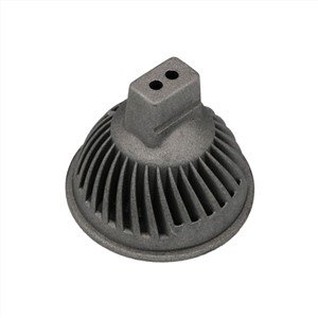
Plastic Injection Light Parts
Product Description
Product name | Plastic Injection Light Parts |
Material | PP, PC, ABS, PVC, PPS, PMMA, PA66, etc |
Size (Length*Width*Height) | OEM |
Weight | OEM |
Surface finish | Matt, Smooth, Transparent, Translucent |
Process | Plastic Injection |
Application | Light Parts |
Quality Inspection Certificate
Quanxing has SGS and ISO certificate to make sure the quality of our plastic injection light parts is good.
 |  |
Process Flow Chart
This is the flow chart for plactic injection.


FAQ
1. Q: What is plastic injection molding?
A: After the plastic material is heated and plasticized in the injection barrel, the molten plastic flow will be injected into the mold cavity through the sprue and runner system, and finally, take shape after being cooled. This manufacturing process is defined as plastic injection molding.
2. Q: Why choose plactic injection to make light parts?
A: Injection molding process boasts a diversity of advantages, among which the most significant ones are shown below: The process is able to be fully automated to realize high production efficiency (injection molding can be used to mass-produce parts in a very effective way).The process makes it possible to produce the immensely detailed or complicatedly designed parts. What you need is an engineering design company or an internal design department to develop great designs. Yet, the moment apart is the manufacturing process, there would be little finishing work needing to be done because the produced parts look extremely finished.To gain the desired material properties in your final products, you are allowed to select a wide range of materials in the process or mix different materials for a combined outcome. The combined use of more than 1 material (usually 2 different materials) is referred to as co-injection molding. Generally speaking, very little waste will be produced in the injection molding process, because excessive materials are able to be easily recycled.Mold inserts can be used to produce a new part (through this process, you can change the internal cavity without complete redesigning or re-machining of the steel or aluminum tools by CNC). Apparently, the life cycle of the tooling will be dependent on the injection molding materials, and particularly on the geometry of the part and the barrel temperature of the materials. To be specific, high temperatures and delicate (thin) geometric shapes will shorten the service life of the tooling. However, the injection molding process also has some distinct disadvantages. For example, the tooling costs are too high that it is not easy for average independent designers to reach them. Keep this in mind, you will know how to choose the alternatives.
3. Q: The application of plastic injection in light?
A: A large number of plastic parts used in LED luminaires, including LED chips, LED optical lenses, light scattering elements, highly efficient heat dissipation elements, light reflections, and light diffusing plates.
4. Q: The advantage of plastic injection?
A: Improving heat management and light quality through plastics compounds.
Hot Tags: China plastic injection light parts, plastic injection light parts suppliers, plastic injection light parts manufacturers, plastic injection light parts factory, customized plastic injection light parts, Aluminium Die Casting Heatsink, Aluminum yard light housing, Aluminum Die Casting Machine, High Hardness Aluminum Automotive Parts, Aluminum Tunnel lamp shell, Aluminum Car Engine Parts